How to Mix and Match Furniture For Living Room: A Complete Guide
Creating a beautiful living room that feels uniquely yours often means blending different furniture styles for a cohesive yet eclectic look. While mixing and matching can seem challenging, following a few key principles will help ensure your space feels inviting and balanced. This guide will take you through every step, from understanding essential design basics to adding those final, thoughtful touches. By the end, you'll have the confidence to transform your living room into a stylish, personalized retreat.
Understanding the Basics
When mixing and matching furniture for your living room, starting with foundational design principles is crucial. It’s all about balance, thoughtful use of color and texture, and finding that unifying element that brings everything together. With these basics in mind, you can make bold choices while ensuring the space stays harmonious and visually appealing.
Why Mix and Match? Benefits of an Eclectic Living Room

Blending different furniture styles lets you showcase your personality and create a visually interesting space. An eclectic room filled with varied textures, colors, and designs captures attention and sparks conversation. Beyond aesthetics, mixing furniture styles is practical—easily updating or replacing items without overhauling your entire room. Embracing a mix-and-match approach keeps your space feeling fresh, creative, and uniquely yours.
Moreover, an eclectic living room is more than just a design choice; it’s a reflection of your experiences and tastes. Whether it’s a family heirloom paired with a modern piece or a thrifted find next to a high-end item, the result is a space that tells a story. The ability to integrate new items seamlessly means your living room can evolve as your style does.
Key Principles for Creating a Harmonious Look
While an eclectic space thrives on variety, maintaining balance is essential to avoid visual chaos. Start by choosing a focal point, like a striking living room sofa, and build your design around it. One helpful tip is to apply the 80/20 rule: keep 80% of the space cohesive with a central theme and let the other 20% feature a mix of styles. Repeating colors or textures in small ways throughout the room helps tie it all together.
Shapes and proportions play a significant role in achieving harmony. If you have a bold, modern sectional, consider balancing it with mid-century chairs that add character without clashing. Layering similar shapes—like round side tables with curved armchairs—can create flow, while contrasting shapes add interest. This ensures your room feels well-thought-out rather than haphazard.
Choosing a Style and Color Palette
Selecting a cohesive color scheme is a foundational step in creating a harmonious living room with mixed furniture styles. Start with a primary color that will set the room's tone, then layer in complementary accent colors through furniture and décor. For instance, if your base color is a neutral gray, you might use bold navy or subtle mustard accents to bring the room to life. A consistent color palette helps visually link different styles, making your living room look deliberate and polished.
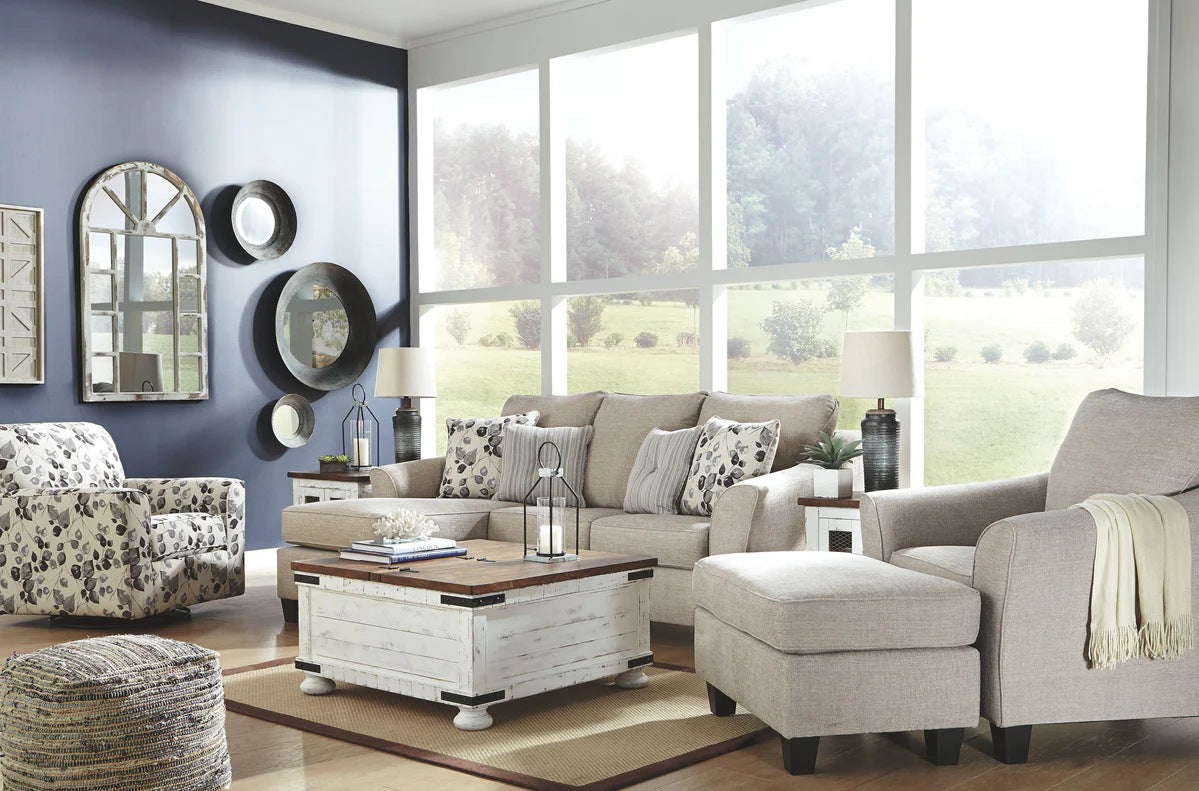
When blending styles, don’t shy away from experimenting with various design aesthetics—such as pairing rustic elements with industrial touches or combining bohemian and modern features. The key is to find a common theme that ties them together. Similar materials, like wood or metal, can be a uniting factor. For example, a sleek, modern sofa paired with a rustic wooden coffee table can create an intriguing contrast that still feels balanced if the color palette aligns.
Balancing Old and New Furniture Pieces
Incorporating both modern and vintage furniture in your living room adds layers of depth and character. Pairing contemporary pieces, like a minimalist living room recliner, with antique items such as a classic side table, creates a beautiful juxtaposition of eras. This approach makes your room feel timeless, as it blends the best of both worlds.
To achieve this balance, pay attention to the scale and visual weight of each piece. A large, tufted armchair could be balanced with a slim, modern side table to keep the space from feeling too bulky. The goal is to create a harmonious look where each piece complements the others, despite their differing styles. A carefully placed antique lamp or vintage art piece can also serve as a bridge between old and new, making the room feel curated and cohesive.
Playing with Furniture Shapes and Sizes
Diversity in shapes and sizes can create visual intrigue and prevent your living room from looking one-dimensional. When choosing furniture, consider mixing round shapes with linear ones to maintain visual balance. For example, a round coffee table can offset the angular lines of a sectional sofa, creating a more inviting and dynamic space. Height variation is another way to add depth; a tall bookshelf can balance the low profile of a modern couch, drawing the eye upward and adding layers to the room’s design.
Scale is equally crucial. Pairing oversized pieces with smaller, more delicate items can make the room feel disjointed. Instead, aim for proportions that make sense together—a wide sofa with a substantial coffee table or a petite accent chair with a slim side table. Mixing shapes and sizes thoughtfully ensures that your living room remains interesting and balanced without overwhelming the space.
Anchoring Your Living Room with Key Design Elements
Using Rugs to Tie the Room Together
Rugs are essential for anchoring furniture and creating defined spaces in your living room. Choose a rug that complements your color scheme and style to unify the various pieces. For example, a large, neutral rug can ground the room while allowing vibrant chairs and a bold sofa to take center stage. Alternatively, a patterned rug can act as a statement piece, pulling together an otherwise subtle space.
Layering rugs is a creative way to add more texture and depth. Place a smaller, colorful rug over a larger, neutral one to create visual interest and define specific areas within the room. This technique can also help bridge different styles, ensuring that the overall space feels cohesive.
Lighting Tips for a Cohesive Space
Lighting is more than just functional; it sets the mood and ties your design together. Use a variety of lighting sources to create a well-lit and inviting living room. Overhead fixtures like chandeliers or pendant lights can provide ambient lighting, while floor lamps next to living room recliners offer focused, task-oriented light. Wall sconces or table lamps add softer accent lighting, enhancing the room's atmosphere.
Remember to consider the color temperature of your lights. Warm lighting gives a cozy and inviting feel, perfect for a traditional or rustic space, while cooler lighting suits modern or minimalist styles. Adjustable dimmers allow you to change the mood of the room according to the time of day or activity, ensuring that your living room always feels comfortable and cohesive.
Adding Artwork and Décor for a Finishing Touch

Artwork and décor bring the final layer of personality to your living room. Choose pieces that reflect your chosen color palette and echo elements of your furniture to create unity. For example, a large painting can be the focal point, while smaller items like decorative vases, books, or throw pillows tie in secondary colors. This layered approach adds texture and visual depth, making the space feel complete.
To maintain consistency, opt for décor items that share similar textures or finishes. Metallic picture frames can complement metal legs on a coffee table or lamps, while wooden accents can tie back to a rustic cabinet or bookshelf. Layering these elements thoughtfully ensures that every piece in the room feels connected, creating a balanced and inviting space.
Conclusion
Mixing and matching furniture in your living room is a creative process that results in a space that feels uniquely yours. By understanding basic design principles, selecting a cohesive color palette, balancing old and new pieces, and anchoring the room with key elements like rugs and lighting, you can achieve a harmonious and stylish living room. The final touches—artwork, décor, and thoughtful lighting—pull everything together, turning your living room into an inviting space that reflects your personality and design vision. Don't hesitate to experiment and make bold choices; the most memorable living rooms are those that tell a story through their varied, carefully chosen pieces.